GEO vs AEO Overview
If you have spent any time tracking online brand traffic over the past year, you have likely noticed a massive shift in user behavior. Millions of searchers are no longer scrolling through ten blue links on search engine result pages (SERPs). Instead, users are getting direct, AI-synthesized answers from platforms like ChatGPT, Perplexity, Gemini, Claude, and Google AI Overviews. The traditional rules of digital visibility are evolving rapidly, making Generative Engine Optimization (GEO) and Answer Engine Optimization (AEO) the most critical frameworks for modern content strategy.
Generative Engine Optimization
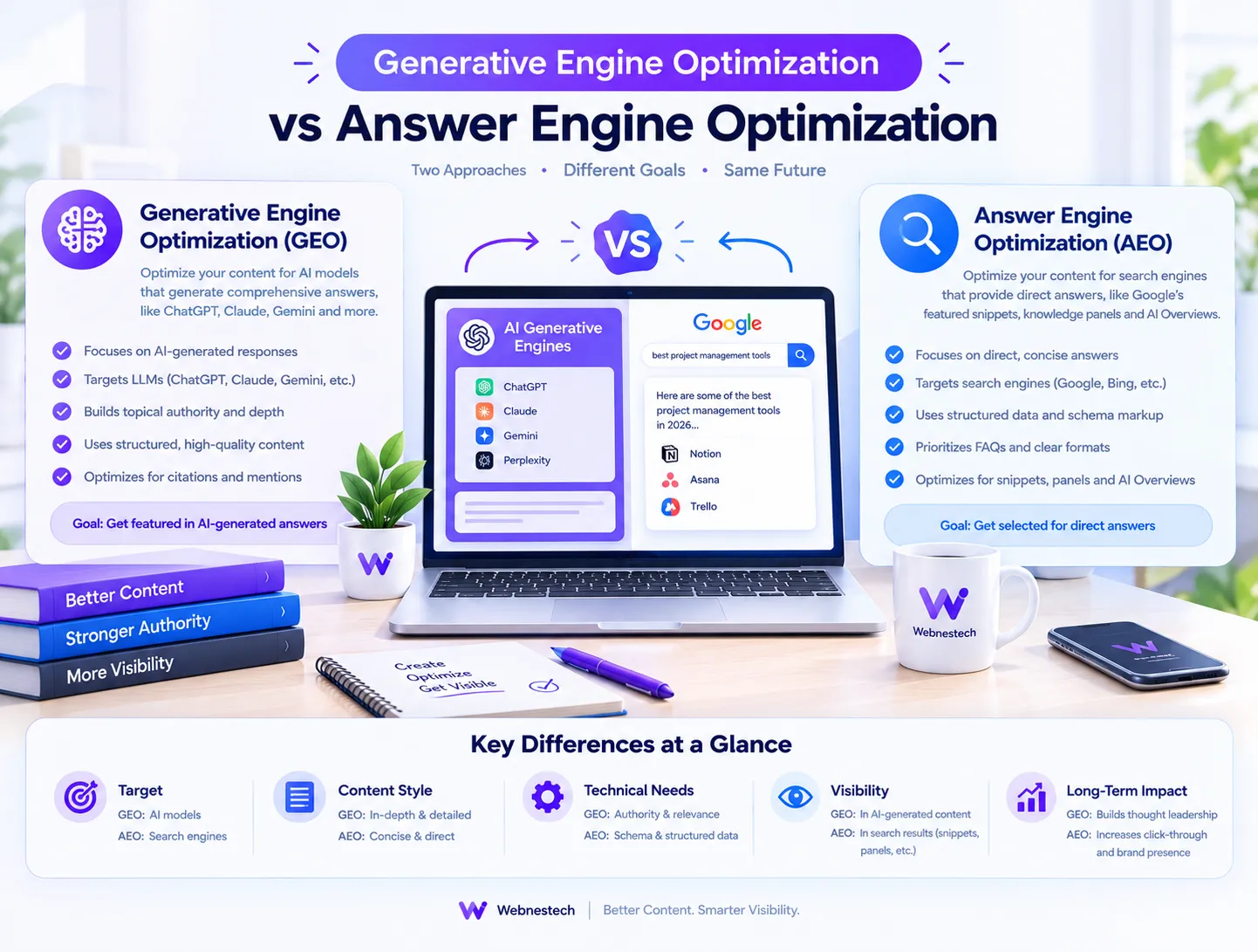
Generative Engine Optimization (GEO) focuses on optimizing digital content so that Large Language Models (LLMs) and generative AI engines cite, reference, and synthesize your brand when responding to complex user prompts. Rather than matching exact keyword queries to rank a web page in traditional search, GEO aims to make your content authoritative, context-rich, and citation-ready enough for generative models to include your insights as part of their multi-source generated outputs.
Answer Engine Optimization
Answer Engine Optimization (AEO) is the strategy of structuring information so that answer engines—such as voice search assistants, Google Featured Snippets (Position 0), and AI direct-answer interfaces—can instantly extract concise, factual answers to specific questions. AEO prioritizes directness, structured Q&A formatting, and clear data blocks, ensuring that when a user asks an explicit question, your brand provides the single definitive source answer.
AI Search Trends
The rise of AI-driven search engines doesn't mean organic search strategy is dead; rather, it means the mechanics of discoverability have evolved. Modern online audiences rarely want to click through three different articles just to extract a single fact. They expect clear, synthesized answers immediately. Navigating this shift requires a clear understanding of how GEO and AEO interact to keep your brand visible across emerging AI discovery channels.
Generative search engines synthesize multi-source answers while directly citing authoritative digital references.
GEO vs AEO Extraction Mechanics
Understanding how GEO differs from AEO comes down to extraction versus synthesis. AEO systems look for concise, single-source statements that can be pulled directly into a snippet box or voice answer. GEO systems evaluate semantic relevance, broad contextual depth, unique data, and brand consistency across multiple channels before synthesizing a comprehensive AI response.
Search Engine Shift
When a generative AI model answers a prompt, it maps entity relationships across vast data sets. If your content lacks entity authority or distinct value, generative engines will summarize competitor sources instead. Incorporating high-volume semantic keywords, authoritative statistics, expert commentary, and original research makes your content far more likely to be cited in AI-generated answers.
Search Engine Optimization
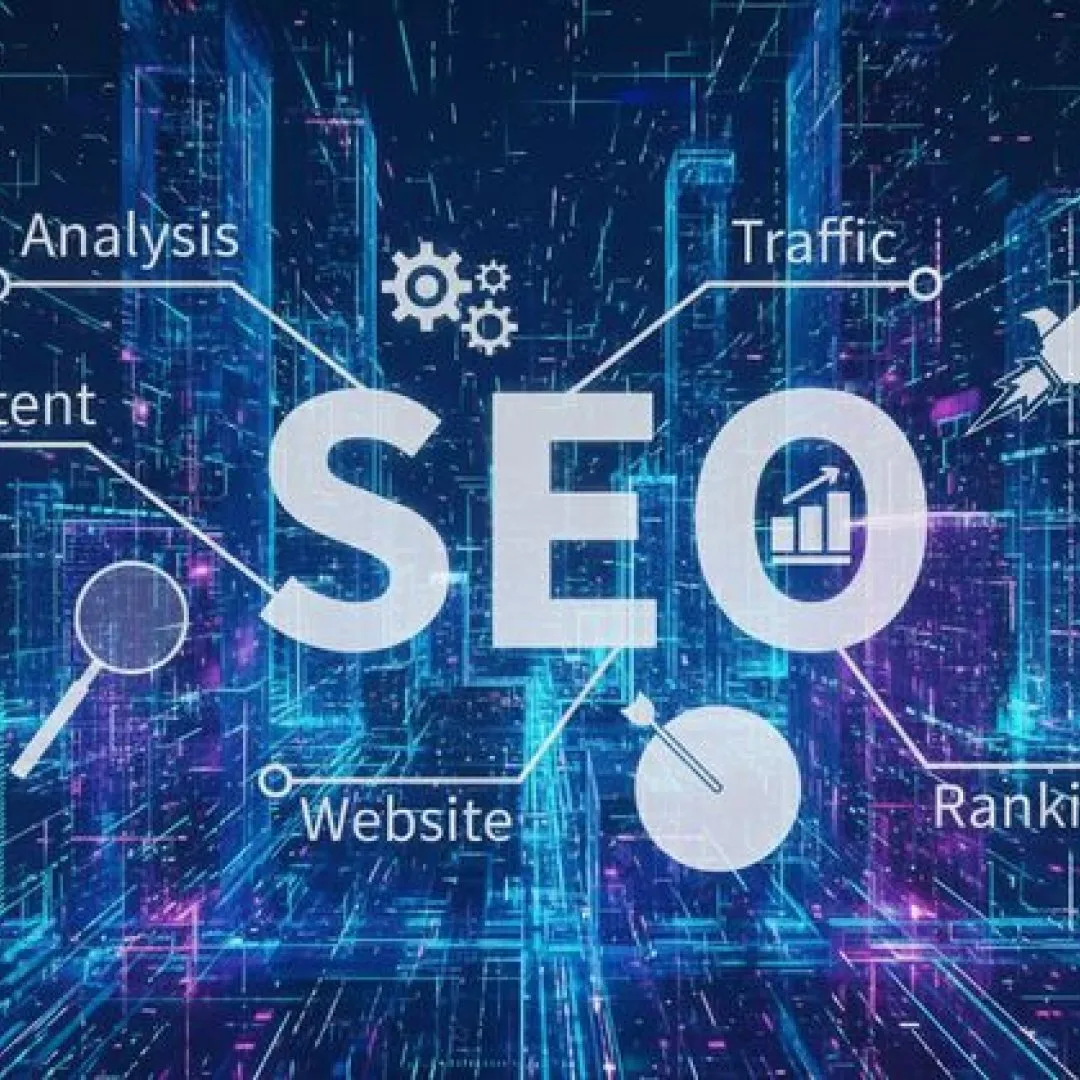
Visual content and structured search strategy play a massive role in establishing cross-platform entity authority for generative search engines. Implementing robust optimization strategies through specialized SEO services ensures your brand maintains a strong, multi-channel footprint that AI models scrape and recognize across search channels.
AEO Content Formatting
Answer Engine Optimization requires a highly structural approach to publishing content. Answer engines favor explicit question headings, bullet points, concise summary sentences, and machine-readable schema markup. If your direct answer is buried inside long-winded introductions or unnecessary filler text, answer engines will pass over your content in favor of cleaner, instantly extractable sources.
Direct Answer Optimization
To optimize effectively for AEO, lead your content blocks with direct, single-sentence answers before expanding into supporting context. Using structured schema markup (such as FAQSchema and ArticleSchema) helps answer engine crawlers parse your data cleanly, increasing the probability that your site powers zero-click answers, voice search results, and featured snippets.

Tracking brand citations and direct answer placements requires monitoring unstructured data across AI search interfaces.
GEO vs AEO Comparison
While GEO and AEO both target visibility in non-traditional search environments, they rely on different structural models and user intent formats. Aligning your content strategy across both disciplines ensures full coverage across zero-click answer features and conversational generative tools.
Optimization Matrix
The following breakdown compares the operational differences between Generative Engine Optimization (GEO) and Answer Engine Optimization (AEO):
| Strategic Pillar | Generative Engine Optimization (GEO) | Answer Engine Optimization (AEO) |
|---|---|---|
| Core Mechanics | Synthesizes multi-source context & brand citations | Extracts single direct answers for specific queries |
| Primary Discovery Surfaces | ChatGPT Search, Perplexity, Gemini, Claude | Featured Snippets, Voice Search, Google AI Overviews |
| Content Structure | Deep, authoritative, context-rich guides with stats | Short, direct, bulleted, and Q&A formatted blocks |
| Key Optimization Metric | AI Citation Rate & Entity Share of Voice | Featured Snippet Wins & Zero-Click Answers |
| Query Target Type | Broad, complex, multi-layered research prompts | Specific, transactional, or quick-fact questions |
Digital Growth Services
Brands looking to build broad entity presence across digital platforms must pair clear structural answers with high-converting creative messaging. Partnering with a full-service digital agency like Webnestech helps transform complex industry expertise into engaging digital campaigns that drive branded search activity across both search engines and AI assistants.
Structured Data Optimization
One of the most powerful bridges between GEO and AEO is structured data. Schema markup functions as a machine-readable translation layer for both traditional crawlers and generative AI systems. Explicitly defining entities, author credentials, product specs, and FAQs reduces ambiguity, making your brand easier to extract for AEO and simpler to contextualize for GEO.
Entity Authority Building
Entity authority is central to long-term AI visibility. Generative search models evaluate cross-web presence, author reputability, and third-party mentions to determine whether a brand is a trusted voice. Building a consistent digital footprint across directories, industry publications, and review platforms validates your entity authority in the AI's training data.

Establishing clear digital entity relationships increases brand authority across generative search networks.
Conversational Search Intent
The way users phrase search queries has fundamentally changed. Instead of entering truncated keyword phrases, users type natural, conversational prompts into AI assistants. Designing content around long-tail conversational questions positions your brand right where these prompt-based searches land.
Long-Tail Prompt Optimization
To capture conversational prompts effectively, write in an authentic, direct, user-to-user tone. Provide immediate, clear answers at the beginning of each section, followed by deep supporting analysis. This hybrid structure fulfills AEO's demand for concise answer extraction while giving GEO engines rich semantic context to synthesize.
Future of AI Search
The future of digital visibility lies in combining the direct answer clarity of AEO with the rich contextual depth of GEO. Brands that adapt their content structure to serve both answer extraction and generative synthesis will remain discoverable regardless of how search interfaces evolve.
AI Search Strategy Implementation
Begin by reviewing your key content assets. Add clear Q&A blocks, integrate descriptive schema markup, and enrich your guides with original data, expert insights, and clear entity signals. Structuring your content for AI engines today secures your brand's digital presence for tomorrow.
Frequently Asked Questions
Key answers regarding Generative Engine Optimization, Answer Engine Optimization, and AI search trends.
AEO focuses on structuring content so engines can extract a single direct answer, whereas GEO focuses on creating authoritative, context-rich content that AI models cite when synthesizing multi-source responses.
AEO formats information cleanly with direct answers and structured schema, allowing search snippets, voice assistants, and AI answer boxes to extract your content directly.
GEO citations appear inside AI-synthesized responses across conversational search tools like ChatGPT Search, Perplexity, Gemini, Claude, and Google AI Overviews.
Schema markup provides machine-readable context that makes facts instantly extractable for AEO while clarifying entity relationships for GEO AI models.
Conversational search prompts reflect natural speech. Structuring content to answer these explicit conversational questions ensures your site matches how users query AI search engines.
Ready to optimize your digital brand for the future of AI search?
Work with expert creators and strategists to elevate your online performance across emerging channels.