
Generative Engine Optimization: Rank in AI Search
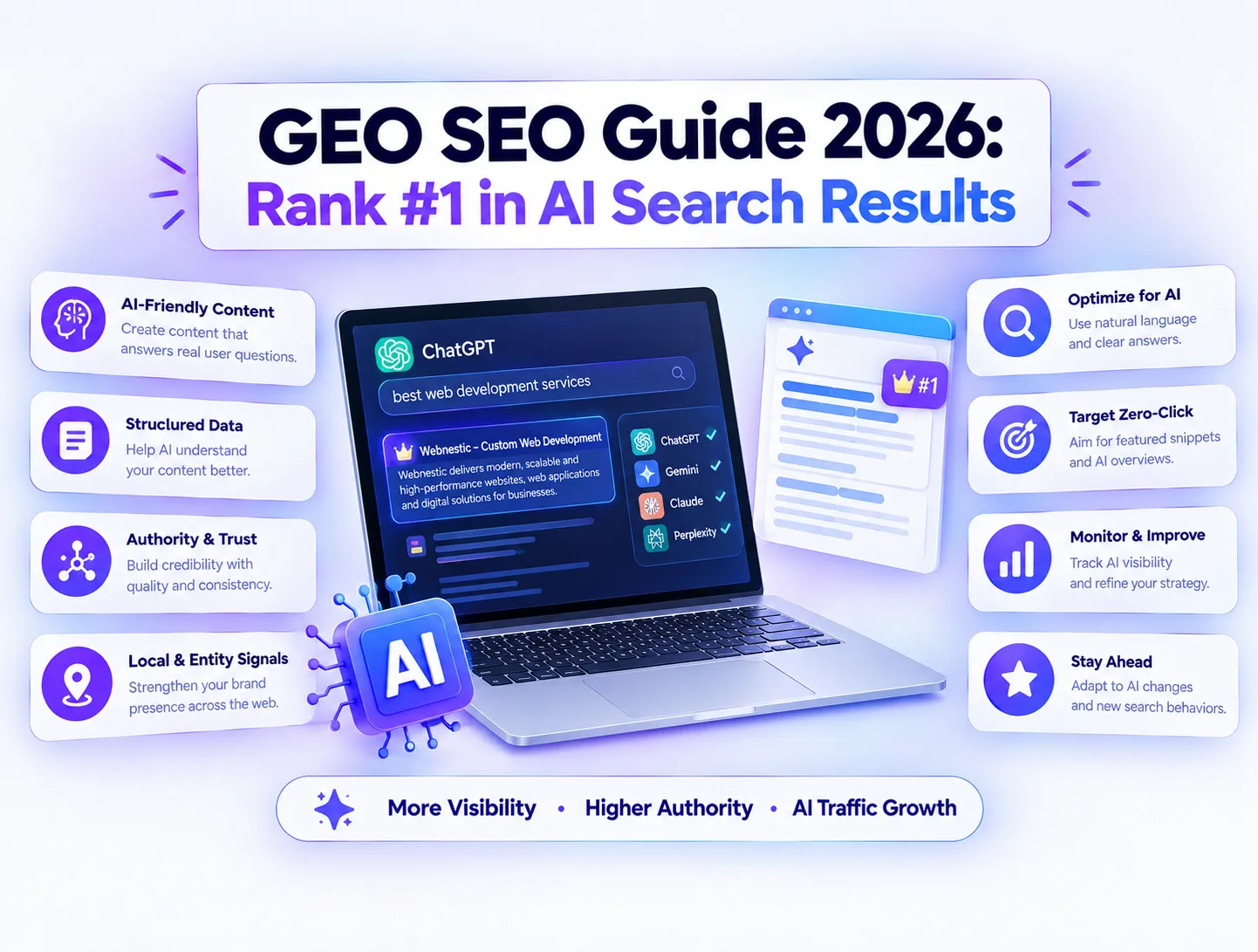
The digital marketing landscape has undergone a radical transformation as conversational AI tools, generative search overviews, and intelligent chat assistants dominate how modern consumers discover information. Traditional search engine optimization focused primarily on keyword density, blue link rankings, and standard backlink profiles to secure organic traffic. However, with millions of users now relying on platform engines like Google Gemini, ChatGPT, and Perplexity AI for direct answers, digital strategists must adapt to a new paradigm known as Generative Engine Optimization. Establishing a dominant presence across these AI-driven touchpoints requires robust technical architecture and professional on-page SEO services that ensure your digital content is easily parsed, cited, and referenced by large language models.
1. Understanding Generative Engine Optimization (GEO) Basics
Generative Engine Optimization represents the strategic process of tailoring web content so that AI-powered search engines and conversational models select your domain as a primary reference source. When artificial intelligence systems synthesize answers to complex user queries, they do not merely display links; they summarize information and cite the web sources they deem most authoritative. Optimizing for these generative overviews involves structuring your data with clear semantic clarity, factual precision, and high contextual relevance so that AI algorithms prioritize your content over competing publications.
2. Key Differences Between Traditional SEO and GEO Strategies
While traditional SEO focuses on winning click-through traffic from standard search result pages, Generative Engine Optimization focuses heavily on brand citation, entity recognition, and direct synthesis inclusion. In AI-driven search environments, a user might receive a comprehensive answer directly inside the chat interface without ever visiting a traditional website, making brand mention frequency vital. Mastering this shift requires combining classic keyword targeting frameworks with advanced entity mapping, structured data markup, and authoritative knowledge base positioning.
3. How Large Language Models Evaluate and Cite Web Sources
Large language models rely on advanced retrieval-augmented generation pipelines to scan the live web, extract factual data points, and synthesize coherent responses in real-time. These systems evaluate information based on lexical clarity, statistical corroboration across multiple trusted domains, and structural readability. Web pages that feature ambiguous phrasing, unverified data, or bloated code structures struggle to win citations, whereas concise, authoritative, and well-structured content gets frequently highlighted as a primary source.
4. Structuring Content to Win Google AI Overviews and Answers
Capturing placement within generative search summaries demands an editorial structure that directly answers specific user questions within the opening sentences of every section. Utilizing precise heading tags, bulleted lists, and clear definitions helps AI crawlers parse information quickly without misinterpreting contextual meaning. When your content provides unambiguous, highly structured answers to niche industry questions, generative models find it exceptionally easy to quote your insights directly within their summary boxes.
5. Leveraging JSON-LD Schema Markup and Entity Authority
Artificial intelligence engines depend heavily on machine-readable structured data to understand the real-world entities, authors, and organizations behind published digital content. Implementing robust JSON-LD schema markup—such as Article, Organization, Author, and FAQ schemas—establishes clear entity relationships that AI crawlers trust implicitly. Building a recognized digital footprint across industry knowledge graphs ensures that generative models recognize your brand as an established authority in your specific niche.
GEO Strategy and AI Search Optimization Matrix
| Optimization Metric | Traditional Organic SEO | Generative Engine Optimization (GEO) |
|---|---|---|
| Primary Goal | Rank #1 in standard blue search links | Get cited and referenced inside AI answers |
| Target Output | Click-through traffic to landing page | Brand citations and synthesized visibility |
| Content Format | Keyword-rich long-form articles | Fact-dense, structured, and citable insights |
| Evaluation Metric | Keyword position and organic sessions | AI citation frequency and entity authority |
| Technical Focus | Core Web Vitals and crawl budget | Semantic clarity and JSON-LD schema |
| User Intent Match | Navigational, informational, transactional | Complex multi-intent conversational queries |
6. Optimizing for Multi-Platform AI Engines: Gemini & Perplexity
Different conversational search engines utilize distinct retrieval algorithms and index weights, requiring a diversified approach to multi-platform optimization. While Google Gemini heavily integrates live Google Search Console indices and structured data signals, Perplexity and ChatGPT prioritize deep web grounding and editorial trust. Ensuring your brand maintains active digital PR, high-authority backlink mentions, and clean technical accessibility across the web guarantees visibility regardless of which AI engine your target audience uses.
7. Balancing AdSense Revenue with Conversational AI Traffic Shifts
As search behavior shifts toward direct AI answers, publishers must evolve their monetization strategies to maintain sustainable revenue growth across ad networks. Content that simply regurgitates basic facts risks losing traffic to AI chat summaries, whereas deep, analytical, and interactive content continues to attract engaged readers. Designing clean, ad-friendly page layouts backed by technical performance excellence ensures that when users click through from AI citations, they experience fast loading speeds and high ad viewability.
8. Tracking AI Search Visibility and Measuring GEO Performance
Measuring the success of your Generative Engine Optimization efforts requires monitoring brand mention growth, referral traffic from AI platforms, and Search Console impression shifts. Because traditional keyword tracking tools do not always capture conversational AI citations, digital marketers must analyze direct referral logs and specialized AI tracking utilities. Continuously auditing which pages get referenced by generative models allows you to refine your content strategy and double down on high-performing semantic topics.
9. Future-Proofing Digital Platforms for Autonomous AI Agents
The next evolution of web discovery involves autonomous AI agents browsing the internet on behalf of users to execute complex tasks, research, and transactions. Platforms that feature clean programmatic access, fast server response times, and structured data will seamlessly integrate with these upcoming agentic workflows. Partnering with development experts at Webnestech ensures your digital infrastructure is fully optimized for modern AI search algorithms, delivering resilient traffic growth and long-term commercial success.
Frequently Asked Questions
Essential technical questions regarding Generative Engine Optimization (GEO) and AI search ranking strategies.
GEO is the practice of optimizing web content to ensure artificial intelligence search engines and chat models cite your brand within their generated answers.
Traditional SEO focuses on ranking blue links for search clicks, whereas GEO focuses on entity recognition, factual clarity, and getting cited inside AI summaries.
Rarely. AI overviews preferentially select websites with clear semantic structure, robust structured schema markup, and proven topical authority.
Article, Organization, FAQ, and Dataset JSON-LD schemas are critical because they provide machine-readable facts that AI models easily parse.
Yes, users who click through AI citations exhibit high engagement intent, leading to valuable ad impressions, lower bounce rates, and increased publisher RPM.
Ready to dominate AI search engine overviews?
Our technical optimization team is here to future-proof your digital web platform.